
Quick Answer
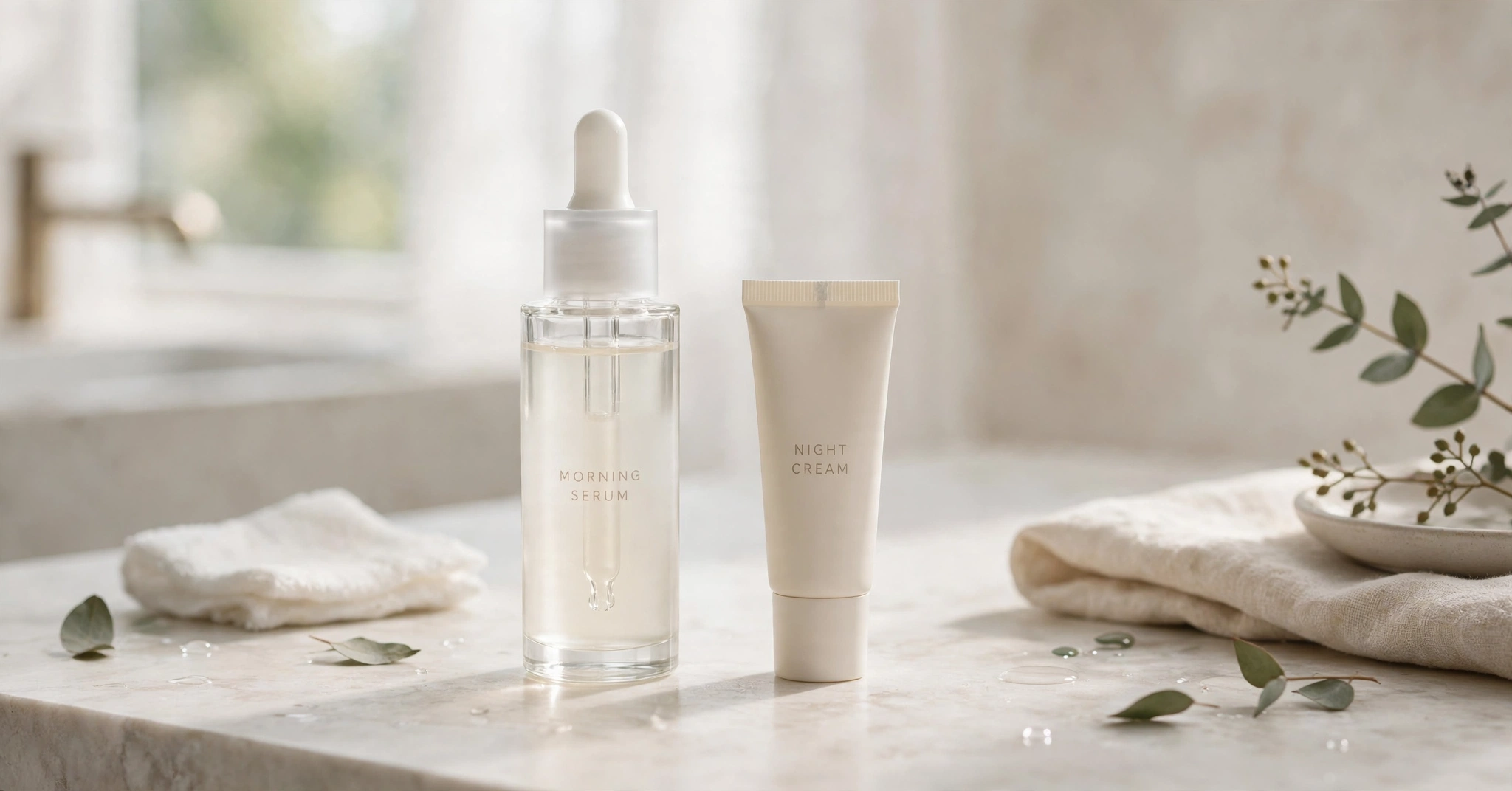
Can you use retinol and vitamin c together in one routine? Yes, you can, if you split them by time of day instead of layering them in the same step. Use vitamin C in the morning and retinol at night, keep the rest of the routine gentle, and wear sunscreen every morning. Start retinol slowly, at 2 to 3 nights a week, and add a night only after your skin stays calm. This split gives you the brightening help of vitamin C and the smoothing help of retinol without asking your skin to handle both strong actives at once. For the full ingredient guide, see our guide on skincare ingredients explained.
What Vitamin C Does for Skin
Vitamin C is a brightening ingredient. It helps skin look more even in tone, and it helps with the look of dark spots left after breakouts and sun exposure. It also supports the skin against daily stress from sun and pollution, which is one reason it fits so well in a morning routine. Many people use it as a serum after cleansing and before moisturizer and sunscreen.
Not all vitamin C products are the same. Pure L-ascorbic acid is the best known form. It is strong and it can be very effective, but it can also sting, especially on sensitive skin, and it can lose strength once the bottle is open and exposed to light and air. That does not make it the only useful form. Gentler, more stable derivatives such as Ascorbyl Glucoside are also useful forms of vitamin C. They tend to be kinder to sensitive skin, and they hold up better in a bottle over time. They are not the same as pure L-ascorbic acid, and the right pick is the one your skin tolerates and that you will use often.
What Retinol Does for Skin
Retinol is a form of vitamin A. It helps skin cells turn over faster, which can smooth rough texture, soften the look of fine lines, and help pores look clearer over time. It is one of the most studied ingredients in skin care, and it is also one of the most likely to cause dryness, redness, and peeling when you start too fast.
Retinol is a night ingredient. Sunlight can break it down, and it can make skin more sensitive to sun, so it belongs in the evening routine, followed by moisturizer. Use a pea sized amount for the whole face. More product does not work faster. It only raises the chance of irritation. Avoid the corners of the nose, the corners of the mouth, and the skin right under the eyes at first, because those spots tend to get dry and sore first.
Always wear sunscreen the next morning after a retinol night. Retinol can make skin more sun sensitive, and sun exposure can undo the progress you are trying to make. A broad spectrum sunscreen with SPF 30 or higher is a good daily pick. Neutrogena Ultra Sheer Dry-Touch SPF 55 costs about $10 to $11, and it is a widely sold drugstore option for daily use. Prices checked November 2026.
Why Splitting Them Works Better Than Layering
The question is not only whether you can use retinol and vitamin c together. It is also how you use them. Layering both in the same step asks a lot of your skin at once. Vitamin C, especially pure L-ascorbic acid, works best in a low pH formula, and retinol can be irritating on its own. Put together in one step, they can raise the chance of redness, dryness, peeling, and stinging, and they can make it hard to tell which product caused the problem.
Splitting them by time of day solves most of that problem. Vitamin C goes in the morning, where it pairs well with sunscreen and daily protection. Retinol goes at night, where it can work while you sleep and where sun is not a factor. Each ingredient gets its own step, its own time, and a gentle routine around it. If irritation shows up, you know which step to pause, because only one active was used at that time of day.
A Safe Split Routine: Vitamin C in the Morning, Retinol at Night
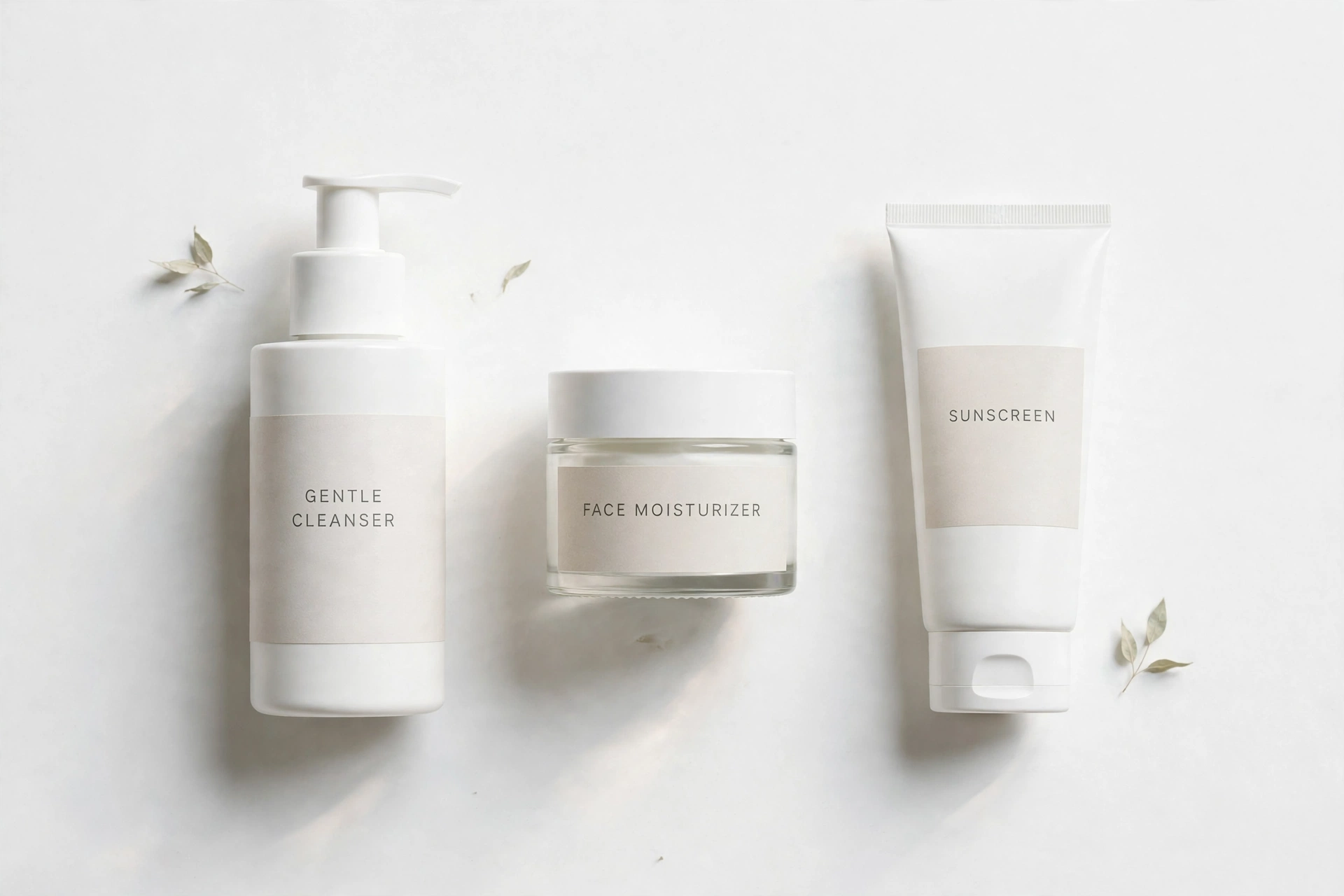
A good routine does not need many steps. It needs the right steps in the right order, with gentle products around the actives. The table below shows a simple split routine for a beginner. Use it as a starting point, not as a rule for every skin type.
| Step | Morning | Night |
|---|---|---|
| Cleanse | Gentle cleanser | Gentle cleanser |
| Active | Vitamin C serum | Retinol, 2 to 3 nights a week |
| Moisturize | Light moisturizer | Richer moisturizer |
| Protect | Sunscreen SPF 30 or higher | None, sleep on clean moisturized skin |
Start the morning with a gentle cleanser. CeraVe Foaming Facial Cleanser 16 oz costs $16.19, and it is a good pick for normal to oily skin. For dry or sensitive skin, La Roche-Posay Toleriane Hydrating Gentle Cleanser costs about $9 for the small size and about $20 for the 13.5 oz bottle. Apply vitamin C to clean, dry skin, wait a minute, then follow with moisturizer. CeraVe Daily Moisturizing Lotion 12 oz costs $14.99, and it is a light daily option. Finish with sunscreen every morning, even on cloudy days. Prices checked November 2026.
At night, cleanse again, then apply retinol only on your retinol nights. Wait a few minutes, then follow with moisturizer. CeraVe Moisturizing Cream 16 oz costs $15.99, and it is a rich option for night use. La Roche-Posay Toleriane Double Repair Face Moisturizer costs $24.99 for 3.38 oz, and it is a lighter option with niacinamide. On rest nights, skip retinol and use only cleanser and moisturizer. Prices checked November 2026.
Niacinamide can fit in this routine as a calm, steady helper. It supports the skin barrier and it pairs well with both vitamin C and retinol when used in a gentle formula. For sensitive skin, a niacinamide product at 2 to 5 percent is a good range. The Ordinary Niacinamide 10% + Zinc 1% 30 ml costs about $6, but that 10 percent strength is strong for sensitive skin, so use it only every other day and patch test first. Never use 10 percent niacinamide daily on sensitive skin. Prices checked November 2026.
Start Slow, Patch Test, and Watch for Irritation
A patch test is a small test before full use. It takes a few days, and it can save you weeks of redness. Apply a small amount of the new product to a small spot on your jawline or behind your ear, once a day for three to five days. If the spot stays calm, with no lasting redness, itching, or bumps, you can start using the product on your face. If the spot turns red, itchy, or sore, do not use the product on your face. Try a gentler form or a lower strength instead.
Start one product at a time. Begin with vitamin C in the morning for one to two weeks. When that feels calm, add retinol at night, at 2 to 3 nights a week. This order matters. If you start both in the same week and your skin reacts, you will not know which product caused it. Starting one at a time gives you a clear answer, and it gives your skin time to adjust to each step.
Watch for early signs that you are moving too fast. Mild dryness or a little flaking in the first two weeks can be normal as skin adjusts to retinol. Lasting redness, burning, sore patches, or peeling that does not settle are signs to slow down. Drop back to fewer retinol nights, use more moisturizer, and skip vitamin C for a day or two if the skin feels raw. Do not add a strong exfoliant to fix flaking. That will only make irritation worse.
Combining retinol with strong exfoliants is not freely safe. Acids such as glycolic acid and salicylic acid can be useful on their own, but using them on the same night as retinol raises the chance of over exfoliation, especially for beginners. If you want to use an exfoliant, use it on a rest night, once a week at most at first. If irritation lasts more than a week, stop the actives and talk to a dermatologist.
Frequently Asked Questions
Can you use retinol and vitamin c together in the same routine?
Yes, if you split them by time of day. Use vitamin C in the morning and retinol at night. Keep the rest of the routine gentle, use sunscreen every morning, and start retinol slowly at 2 to 3 nights a week. This split gives you both benefits with less irritation.
Can I layer vitamin C and retinol at the same time?
It is better not to layer them in the same step. Layering both at once raises the chance of redness, dryness, and peeling, especially for beginners and sensitive skin. Split them, morning and night, and let each one work on its own time.
Which vitamin C form is gentlest with retinol?
Gentler, more stable derivatives such as Ascorbyl Glucoside are often easier for sensitive skin than pure L-ascorbic acid. They are not the same as pure L-ascorbic acid, and both forms can be useful. Pick the form your skin tolerates and will use often.
How often should a beginner use retinol?
Start at 2 to 3 nights a week, with a pea sized amount for the whole face. Use it only at night, follow with moisturizer, and wear sunscreen the next morning. Add a night only after two calm weeks with no redness or peeling.
What should I do if retinol and vitamin C irritate my skin?
Stop the newest product first, keep cleansing and moisturizing gentle, and use sunscreen daily. Wait until the skin feels calm for a few days, then restart one product at a time, slowly. See a dermatologist if irritation lasts or gets worse.
Sources and Further Reading
- American Academy of Dermatology (dofollow): retinol use, sun protection, and basic skin care guidance.
- Cleveland Clinic guide to skincare ingredients (nofollow): how vitamin C, retinol, and niacinamide work.
- CeraVe (nofollow): gentle cleanser and moisturizer details used in the split routine.
This article is general information only, not medical advice. If you have a skin condition, are pregnant, or take prescription skincare, talk to a dermatologist before changing your routine.
2 thoughts on “Can You Use Retinol and Vitamin C Together? A Safe Guide”
Comments are closed.