
Quick Answer
The best retinol for beginners drugstore pick is a gentle, low strength retinol that you use 2 to 3 nights a week, with moisturizer after and sunscreen every morning. Start with a pea-sized amount for the whole face. More product does not speed up results, it only raises the chance of redness, dryness, and peeling. Use the sandwich method if your skin is sensitive: moisturizer first, then retinol, then moisturizer again. Expect some dryness and light flaking in the first weeks. That is common, and it usually fades as your skin adjusts. Keep the rest of your routine simple: a gentle cleanser, a plain moisturizer, and a daily sunscreen are enough. For the full ingredient guide, see our guide on skincare ingredients explained.
What Retinol Does and Who It Helps
Retinol is a form of vitamin A that helps skin renew itself. It speeds up how fast old skin cells shed and new cells reach the surface. Over time, that can make skin look smoother, help fine lines look softer, and help with uneven tone and clogged pores. Results take weeks, not days, and the first weeks can feel rough.
Retinol suits adults who want help with fine lines, dull skin, uneven tone, or mild breakouts. It is not for everyone. If you are pregnant or trying to become pregnant, do not start retinol without asking your doctor first. If you take prescription skincare, ask your dermatologist before you add a drugstore retinol, because the two together may be too strong. If your skin is raw or cracked, heal that first. Retinol on broken skin will sting and make things worse.
A drugstore retinol is a good first step because it is usually gentler than a prescription product. Options many beginners start with include CeraVe Skin Renewing Retinol Serum, RoC Retinol Correxion Line Smoothing Night Serum, Neutrogena Rapid Wrinkle Repair Retinol Oil, Olay Retinol 24 Night Serum, and La Roche-Posay Retinol B3 Serum. No price is listed here for these retinol products. Pick the lowest strength on the shelf.
How to Start Low and Slow
Low and slow is the whole method. Start 2 to 3 nights a week, with at least one rest night between uses. Monday, Wednesday, and Friday is a simple pattern. On rest nights, skip the retinol and use only cleanser and moisturizer. After 2 to 3 weeks, if your skin feels calm, you can add one more night a week. If your skin feels tight, dry, or sore, stay at the same number of nights for another week, or drop back by one night.
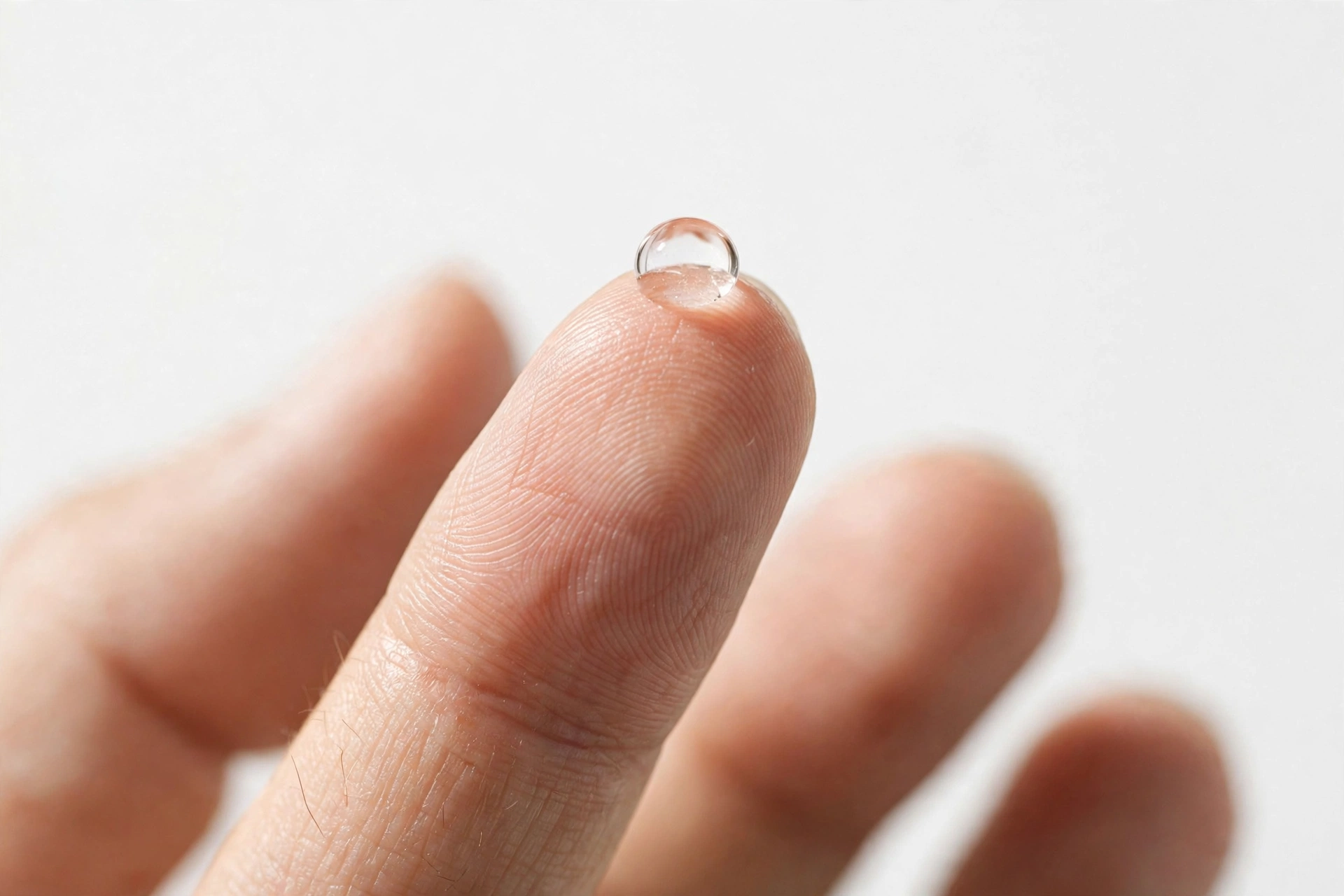
Use a pea-sized amount for your whole face. Dot it on your forehead, cheeks, and chin, then spread it in a thin layer. Do not add a second pea-sized amount for your neck unless the product label says it is safe there. Keep retinol away from the corners of your eyes, the corners of your mouth, and the sides of your nose. Those spots dry out first. If they get sore, dab a little moisturizer on them before the retinol as a shield.
Keep the rest of your routine boring while you start retinol. This is not the time to try a new acid, a new scrub, or a strong vitamin C serum. One new active at a time is the rule. Your cleanser should be gentle and fragrance-free, and your moisturizer should be plain and rich enough to stop tightness. If you already use a strong exfoliant, pause it for the first few weeks.
Your First Retinol Night, Step by Step
Use retinol at night only. Sunlight breaks retinol down, and retinol can make your skin more sensitive to sun. Start with clean, dry skin. Wash with a gentle cleanser, pat your face dry, and wait a few minutes until your skin feels fully dry.
If your skin is sensitive, use the sandwich method. Apply a light layer of moisturizer first and let it sink in for a minute. Then apply the pea-sized amount of retinol, then moisturizer again over the top. The first layer slows how fast the retinol absorbs, which lowers irritation without stopping it from working. If your skin is not sensitive, skip the first layer and apply retinol straight to dry skin, then moisturizer after. Either way, moisturizer after retinol is not optional.
Finish the night there. Do not add a second serum, an acid, or a scrub on a retinol night. The next morning, wash gently, moisturize, and apply sunscreen. Sunscreen matters every morning, and even more after a retinol night, because retinol can leave skin more sensitive to sun.
| Step | Product | Size | Price |
|---|---|---|---|
| Gentle cleanser | e.l.f. Holy Hydration! Daily Cleanser | 5.5 oz | $11.00 |
| Moisturizer | CeraVe Moisturizing Cream | 16 oz | $15.99 |
| Sunscreen | Neutrogena Ultra Sheer Dry-Touch SPF 55 | One bottle | About $10 to $11 |
| Retinol | Choose one gentle drugstore retinol | Check the label | No price listed here |
The three support products cost about $37 to $38 in total, before the retinol product you choose, which keeps the routine under $40 for cleanser, moisturizer, and sunscreen. Prices checked November 2026.
What to Expect in the First Weeks
The first 2 to 4 weeks are the adjustment period, and some discomfort is normal. Mild dryness is the most common effect. Light flaking around the nose, mouth, and chin is also common, and some people get mild redness or a little stinging when they apply moisturizer. These effects are usually mild, and they fade as your skin gets used to the product, most often by week 4 to 6.
You can make the adjustment easier without stopping retinol. Use more moisturizer, twice a day, morning and night, and add a thicker layer before bed on rest nights. If flaking bothers you, do not scrub it off. Let it shed on its own, and keep moisturizing.
Some people notice breakouts in the first weeks. Retinol speeds up cell turnover, which can bring clogged pores to the surface faster. A few small pimples that clear in a few days are common. Deep, painful breakouts that keep coming are a different story. If your skin keeps breaking out after a month, stop and talk to a dermatologist. Do not try to fix a retinol breakout by adding a strong acid on top.
Mistakes to Avoid and When to Stop
The most common mistake is using too much, too often, too soon. A pea-sized amount 2 to 3 nights a week is the starting dose. Using more product, or using it every night in the first week, does not give faster results. Another common mistake is mixing retinol with strong exfoliants on the same night. Glycolic acid, salicylic acid, and strong scrubs all strip the top layer of skin. Together with retinol, they strip too much, and the result is sore, raw skin. Keep strong exfoliants for a rest night, or pause them until your skin is used to retinol.
Vitamin C needs care too. A strong vitamin C serum can sting on skin that is adjusting to retinol. The simple split is vitamin C in the morning and retinol at night, or vitamin C on one night and retinol on another. If your vitamin C stings, use it on mornings only, and skip it when your skin feels raw. Do not use retinol around the eyes unless the product label says it is made for that area.
Stop using retinol and see a dermatologist if you get swelling, blistering, a spreading rash, or burning that does not fade after a day or two. Mild dryness and light flaking are normal in the first weeks. Severe pain, open skin, and redness that spreads are not normal and need care. Stop too if your skin stays raw after you drop back to one night a week with the sandwich method. That means the product or the strength is too strong for your skin right now. The goal is healthy skin, not finishing a bottle.
Frequently Asked Questions
What is the best retinol for beginners?
The best retinol for beginners is a gentle, low strength drugstore retinol used 2 to 3 nights a week. Pick a product labeled gentle or for sensitive skin, use a pea-sized amount, and follow it with moisturizer. Sunscreen each morning is part of the routine, not an extra.
How often should a beginner use retinol?
Start 2 to 3 nights a week, with at least one rest night between uses. If your skin stays calm for 2 to 3 weeks, you can add one more night a week. If your skin feels tight, dry, or sore, go back to fewer nights and use more moisturizer.
Should I use moisturizer before or after retinol?
Both can work, and the sandwich method suits sensitive skin best. Apply a light layer of moisturizer first, then the retinol, then moisturizer again. The first layer slows how fast the retinol absorbs, which lowers irritation without stopping it from working.
Can I use retinol with vitamin C or exfoliants?
Do not stack retinol with strong exfoliants on the same night. Use vitamin C in the morning and retinol at night, or use them on different nights. Strong acids and scrubs on top of retinol raise the chance of redness, peeling, and sore skin.
When should I stop using retinol and see a dermatologist?
Stop and see a dermatologist if you get swelling, blistering, a rash, or burning that does not fade after a day or two. Mild dryness and light flaking in the first weeks are common. Severe pain, open skin, or spreading redness are not normal and need care.
Sources and Further Reading
- American Academy of Dermatology (dofollow): skin care basics and how to use retinol safely.
- Cleveland Clinic guide to skincare ingredients (nofollow): how retinol works and what to expect when starting it.
- CeraVe (nofollow): cleanser and moisturizer product details for the starter routine.
This article is general information only, not medical advice. If you have a skin condition, are pregnant, or take prescription skincare, talk to a dermatologist before changing your routine.
2 thoughts on “Best Retinol for Beginners Drugstore: A Safe Start”
Comments are closed.