
Quick Answer
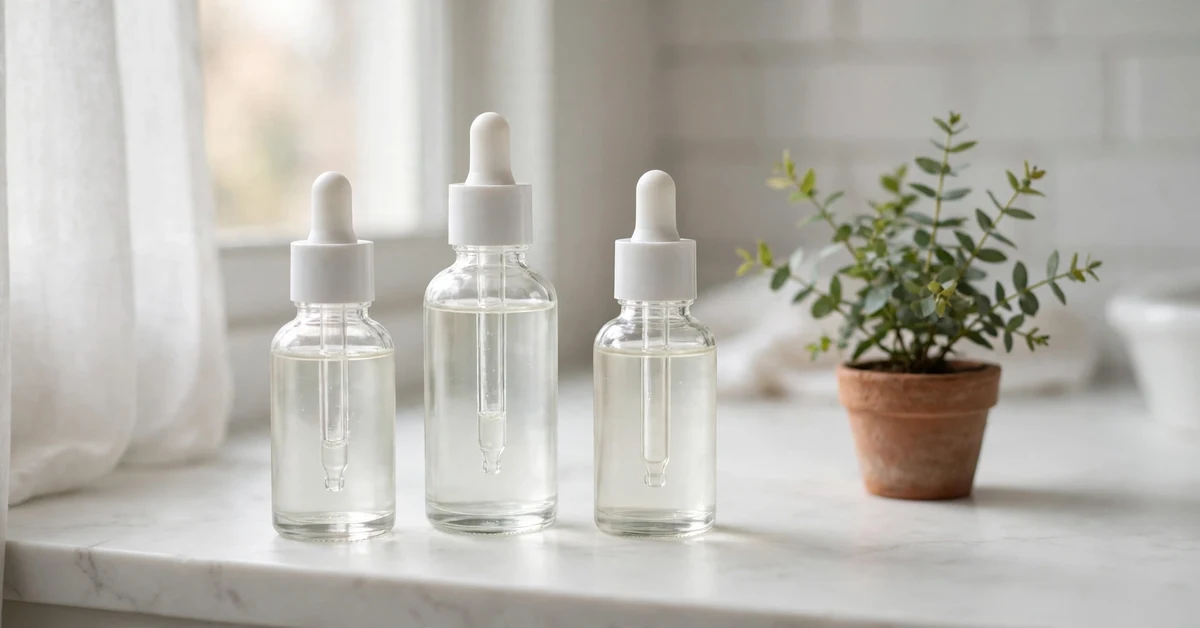
The best hyaluronic acid serum is a simple, fragrance-free drugstore serum that you use on damp skin and seal in with moisturizer. Hyaluronic acid is a hydrator. It draws water into the top layer of skin, so skin looks plumper and feels softer for a while. It is not a moisturizer on its own, it does not fix wrinkles, and it does not replace sunscreen. Start with one plain serum, use two or three drops morning and night, and give it a few weeks before you judge it. If your skin feels tight after use, the problem is usually not the serum. It is the missing moisturizer on top. For the full ingredient guide, see our guide on skincare ingredients explained.
What Hyaluronic Acid Actually Does
Hyaluronic acid is a substance your skin already makes. It sits in the skin and holds water there, which keeps skin looking full and feeling soft. As we get older, skin makes less of it, and dry air, hot showers, and harsh cleansers can leave skin feeling tight and dull. A serum puts some of that water holding power back on the surface, and that is the whole idea in one line.
Think of it like a sponge. A sponge holds water, but it does not create water, and it dries out if you leave it in open air. Hyaluronic acid works the same way. It pulls water from the surface of your skin and from the air around you, and it holds that water in the top layer. That is why damp skin matters so much, and why the next step matters even more. Without water to pull in, and without a cream to seal it in, the serum has little to work with.
What you should expect is simple hydration. Skin should feel softer and look a little fresher after you apply it. Fine dry lines caused by lack of water can look softer too, because hydrated skin reflects light better and looks smoother. It lasts while the skin stays hydrated, and it fades when skin dries out again, so daily use is what keeps it going.
How to Use It the Right Way
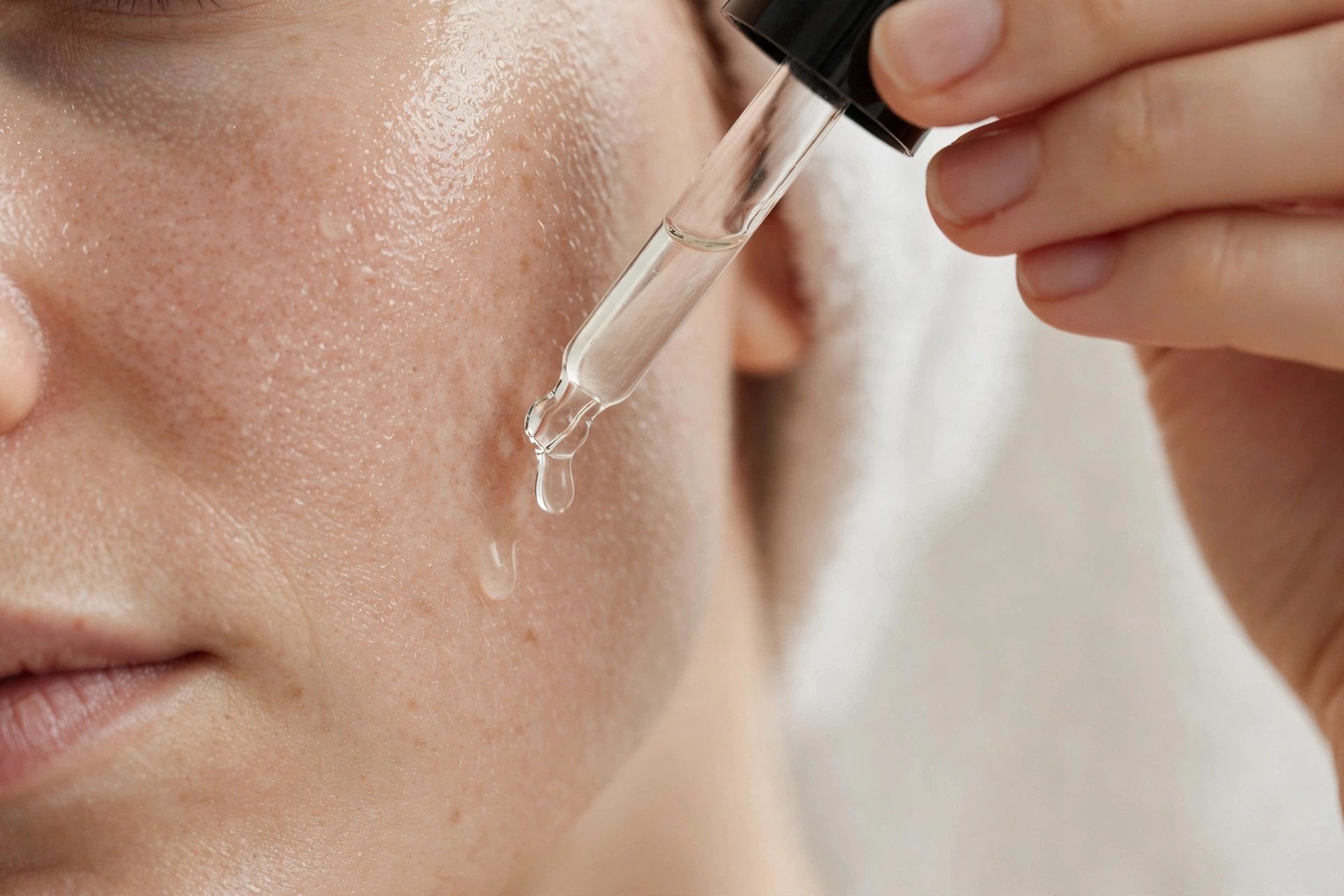
The order is simple, and it matters more than the brand you buy. Cleanse first, then apply the serum to damp skin, then apply moisturizer, then sunscreen in the morning. That is the whole routine in four steps. If you add the serum to dry skin, or if you skip the moisturizer, you will get less from it, and your skin may even feel drier than before. Wash first with a gentle cleanser, rinse with lukewarm water, and pat skin lightly, so it stays a little damp.
Next, put two or three drops of serum on your fingertips, not straight on your face. Press the serum gently over your cheeks, forehead, and chin. Do not rub hard, and do not pull at the skin. A light press is enough. The serum should feel a little slick at first, then sink in within a minute or so. If your face feels sticky after two minutes, you used too much, so use one less drop next time and see how that feels.
While your skin is still a little damp, apply your moisturizer. This is the step that seals the water in. A cream works well for dry skin, and a lighter lotion works well for normal to oily skin. Use enough to cover your face and neck in a thin, even layer. If your skin still feels tight after moisturizer, use a little more cream, or switch to a richer cream in cold or dry weather. In the morning, finish with sunscreen, because hyaluronic acid does not protect you from the sun. At night, you can stop after moisturizer.
What to Look for on the Label
First, check that hyaluronic acid is listed near the top. Look for hyaluronic acid or sodium hyaluronate in the first few lines of the ingredient list. Sodium hyaluronate is a smaller form of hyaluronic acid that is common in serums, and it is a good sign when it appears early. If it sits near the end of a long list, the product may still feel nice, but it has very little of the ingredient you are paying for.
Second, look for fragrance free on the label. Fragrance free is not the same as unscented, and fragrance free is the safer pick for sensitive skin. Fragrance is one of the most common causes of irritation in skincare, and it adds nothing to hydration. A serum that smells like nothing is a good thing. If a serum has a strong floral or fruity scent, skip it for now, even if the bottle looks nice. Your skin will thank you for the plain choice, and you can always pick a scented product later if you want one.
Third, keep the formula simple at first. A good starter serum has hyaluronic acid, water, a gentle thickener, and a preservative to keep it safe. That is enough. You do not need vitamin C, retinol, or a strong acid in the same bottle when you are just starting. Those ingredients can be useful later, but they can also irritate skin, and they make it hard to tell which product caused a problem. Start plain, get comfortable, and add one new active at a time later if you want it.
What It Does Not Do
First, it is not a moisturizer on its own. A moisturizer has oils and other ingredients that seal water into skin and support the barrier. A hyaluronic acid serum has almost no sealing power. If you use the serum alone and skip moisturizer, the water it pulled in can leave the skin again, and your skin may feel just as dry as before, or even drier. That is why every guide tells you to follow it with a cream or lotion. The serum adds water, the moisturizer keeps it there, and both steps are needed.
Second, it does not replace sunscreen. Sunscreen protects skin from sun damage, which causes dark spots and early lines. Hyaluronic acid does none of that. It does not block sun rays, and it does not repair sun damage. Use sunscreen every morning as the last step, even on cloudy days, and even if you stay inside near a window for much of the day. A serum and a sunscreen do different jobs, and your skin needs both of them.
Third, it does not fix acne, dark spots, or deep wrinkles. Acne needs a treatment that deals with oil, clogged pores, or bacteria. Dark spots need time, sun protection, and often an ingredient that deals with pigment. Deep wrinkles need time, sun protection, and in many cases a treatment from a dermatologist. Hyaluronic acid can make fine dry lines look softer, because hydrated skin looks smoother, but it does not change the deeper lines that come with age and sun.
A Simple Drugstore Routine That Works
In the morning, wash with a gentle cleanser, apply the serum to damp skin, apply moisturizer, and finish with sunscreen. At night, wash, apply the serum to damp skin, and apply moisturizer. That is the whole routine. You can add a second product later, such as a niacinamide serum for redness, but you do not need it to start. The basics, used daily, do most of the work, and a short routine is one you will actually keep.
| Step | Product | Price, prices checked November 2026 |
|---|---|---|
| Cleanse | CeraVe Foaming Facial Cleanser, 16 oz | $16.19 |
| Serum | CeraVe Hyaluronic Acid Serum | Check price at your store |
| Moisturize | CeraVe Moisturizing Cream, 16 oz | $15.99 |
| Protect in the morning | Neutrogena Ultra Sheer Dry-Touch SPF 55 | About $10 to $11 |
The cleanser, moisturizer, and sunscreen in this table add up to about $42 to $43, with the serum priced on top at your store. That is a fair price for a full routine that can last for months, because the cleanser and moisturizer come in large sizes. If you want a lighter moisturizer, CeraVe Daily Moisturizing Lotion, 12 oz, costs $14.99, prices checked November 2026, and it works well for normal to oily skin. If you want a gentler cleanser for dry skin, La Roche-Posay Toleriane Hydrating Gentle Cleanser costs about $9 for the small size and about $20 for the 13.5 oz size, prices checked November 2026.
Frequently Asked Questions
What does a hyaluronic acid serum do?
It draws water into the top layer of skin and helps skin look and feel hydrated. It works best on damp skin, sealed in with a moisturizer, and it does not replace sunscreen or a rich cream on its own. Expect softer, fresher looking skin, not a change in deep wrinkles or dark spots.
Should I apply hyaluronic acid serum to wet or dry skin?
Apply it to damp skin, not dry skin and not dripping wet skin. Wash your face, pat it lightly so it stays a little damp, then press in two or three drops. Follow with moisturizer while skin is still damp, so the water stays sealed in.
Can I use hyaluronic acid serum every day?
Yes, most people can use it morning and night. It is a gentle hydrator, not a strong active. If your skin feels tight or dry after use, you may need more moisturizer on top, or a richer cream in dry weather. Give it two weeks before you judge it.
Is hyaluronic acid serum enough on its own?
No. A serum adds water, but it does not seal it in. Without a moisturizer on top, that water can leave the skin and leave it feeling dry again. Always follow a hyaluronic acid serum with a moisturizer, and use sunscreen in the morning.
What should I look for in a drugstore hyaluronic acid serum?
Look for a short ingredient list, fragrance free on the label, and a simple formula with hyaluronic acid near the top. Skip strong fragrance and extra actives at first, and patch test any new product on your jawline before full use.
Sources and Further Reading
- American Academy of Dermatology (dofollow): skin care basics and choosing products by skin type.
- Cleveland Clinic guide to skincare ingredients (nofollow): how hyaluronic acid and other common ingredients work.
- CeraVe (nofollow): hyaluronic acid serum, cleanser, and moisturizer product details.
This article is general information only, not medical advice. If you have a skin condition, are pregnant, or take prescription skincare, talk to a dermatologist before changing your routine.
2 thoughts on “Best Hyaluronic Acid Serum: Simple Drugstore Picks”
Comments are closed.