

Quick Answer
e.l.f. Halo Glow vs Charlotte Tilbury Flawless Filter is the most asked dupe question in makeup, and the honest answer is that the $15 dupe is very close, but not identical. Halo Glow Liquid Filter costs $15.00 for 1.06 oz. Flawless Filter costs about $50 for 1.0 oz. That is a saving of about $35 a bottle, and the glow on the face is close enough that most people cannot tell the difference. Flawless Filter still wins on blur and wear time, and Halo Glow wins on price by a wide margin. If you want the best glow for the least money, buy Halo Glow. If you want the longest wear and the smoothest blur, buy Flawless Filter. For the full set of tested swaps, see our guide on best drugstore dupes.
What Each Product Is
Flawless Filter is a liquid complexion booster from Charlotte Tilbury. It is a sheer, light-reflecting liquid that blurs the skin, smooths the look of pores, and adds a soft glow. It is not a foundation. It does not cover blemishes. It changes how light hits the skin, so the skin looks smoother and brighter. You can wear it alone, under foundation, or mixed into foundation.
Halo Glow Liquid Filter from e.l.f. is a liquid filter with the same idea. It is a sheer glow product made to be worn alone, under foundation, or mixed in. It lists squalane, which helps it feel smooth and comfortable on the skin. It is a liquid filter, not a primer and not a setting spray, and it works the same three ways as Flawless Filter.
The two products look similar in the bottle and on the skin at first glance. The differences show up over the day, and in the details of the finish. That is what the rest of this guide compares, one point at a time, so you can decide with real information instead of hype.
Price and Value
The price gap is the whole story for most buyers. Flawless Filter is about $50 for a 1.0 oz bottle, which works out to about $50 per ounce. Halo Glow is $15.00 for a 1.06 oz tube, which works out to about $14.15 per ounce. You save about $35 every time you buy the dupe instead of the original. Prices checked November 2026.
Over a year, the gap grows. If you use one bottle every two months, that is six bottles a year. Six bottles of Flawless Filter cost about $300. Six tubes of Halo Glow cost $90. The saving is about $210 a year, for a glow that looks nearly the same on the face.
The price gap is mostly packaging, branding, and the blurring formula. Flawless Filter comes in a heavy glass bottle with a doe-foot applicator. Halo Glow comes in a plastic tube with a pump. The glass bottle feels luxurious, but it does not change the glow on your face. Value is not only about price. It is about how often you use the product. A $15 tube you use every day is better value than a $50 bottle you save for special days.
| Product | Price | Size | Price per ounce |
|---|---|---|---|
| Charlotte Tilbury Flawless Filter | About $50 | 1.0 oz | About $50 |
| e.l.f. Halo Glow Liquid Filter | $15.00 | 1.06 oz | About $14.15 |
Prices checked November 2026. Saving per bottle: about $35.
Finish: Where They Differ Most
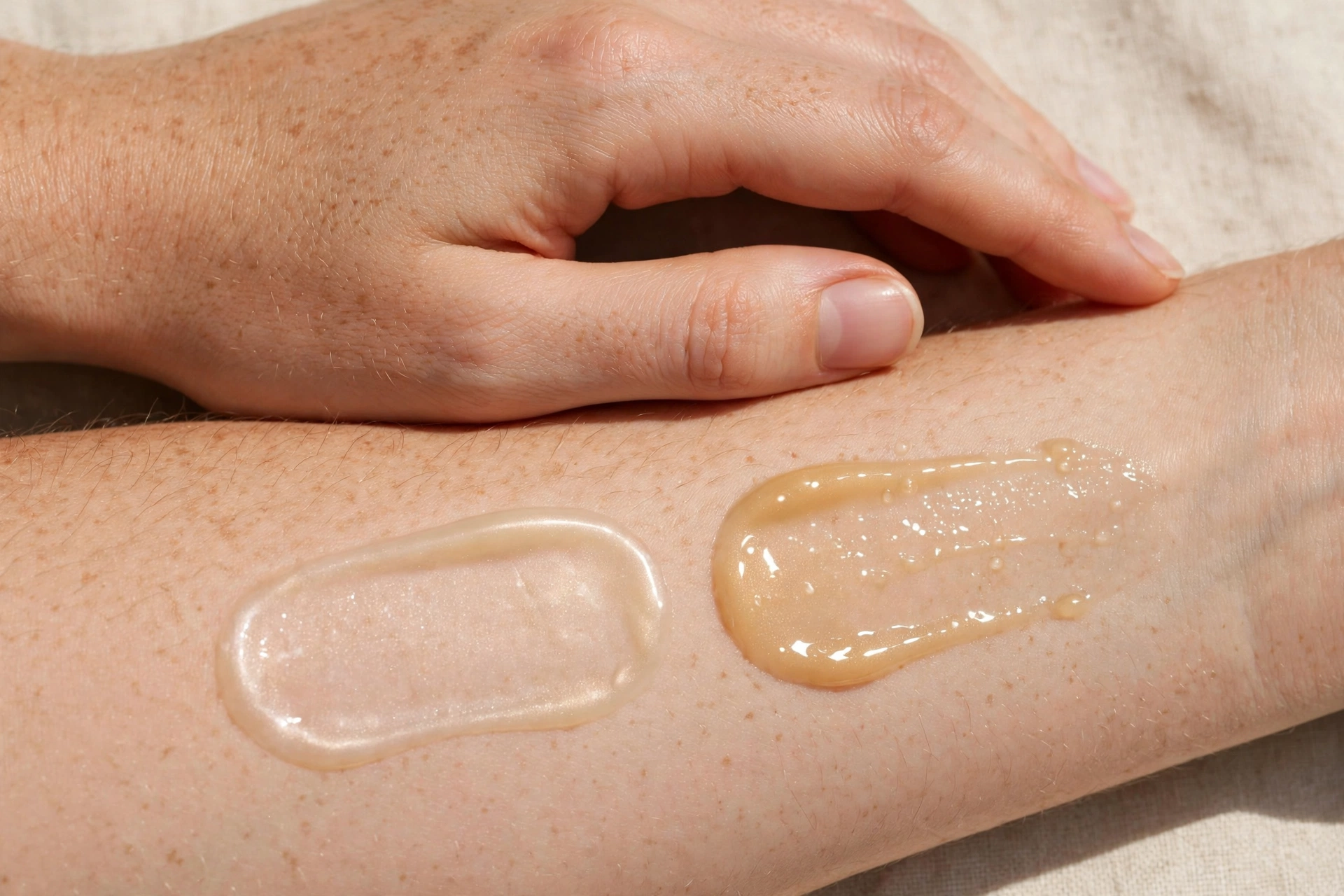
Finish is where the two products differ most, and it is the difference that matters on the face. Flawless Filter gives a soft, lit-from-within glow with strong blur. Pores look smaller, fine lines look softer, and the skin looks smooth. There is no visible glitter. The glow looks like light on skin.
Halo Glow gives a very close glow, but it is a little more shimmery. In most light you cannot see the difference. In bright daylight or direct sun, Halo Glow can show a faint shimmer that Flawless Filter does not have. It is not glitter, and it is not obvious, but it is there if you look for it. On the cheekbones, the shimmer reads as extra glow. On the forehead, it can read as shine, so use less product there.
Flawless Filter also blurs better. The formula smooths the look of texture in a way Halo Glow does not fully match. If your skin is very smooth already, you will not notice. If you have visible pores or texture, you will notice the difference side by side. Halo Glow still looks good on textured skin, but it does not blur as much.
The base matters too. On moisturized skin, both products blend easily and look natural. On dry skin, Flawless Filter is a little more comfortable, because it feels richer. On oily skin, Halo Glow can look dewier faster, so a light powder on the T-zone helps. Neither product should be worn over dry, flaky skin, because the glow will sit on the flakes and make them more visible.
Wear Time
Flawless Filter lasts longer. On most skin, it holds its glow through a normal work day, about 8 hours, with only a little fading by evening. The blur softens over the day, but the glow stays.
Halo Glow wears for a shorter time. On normal to dry skin, it holds for about 6 hours before the glow starts to fade. On oily skin, it can fade sooner, especially on the forehead and nose, where oil breaks the product down. This is the most common complaint about the dupe, and it is a fair one.
You can close the gap. Apply a thin layer, let it set for a minute, and dust a light translucent powder over the T-zone only. Leave the cheeks unpowdered so the glow stays. A setting spray helps too, but do not confuse the filter with a setting spray. The filter adds glow. A setting spray locks makeup in place. They do different jobs, and you need both if you want long wear.
Reapplication is easy with both products. A small amount patted over makeup with clean fingers refreshes the glow without disturbing the base. Do not rub. Patting keeps the layers underneath intact.
Shades and Skin Types
Neither product matches the other shade for shade, so do not buy by name. Pick by undertone. Warm skin should look for golden or peachy shades. Cool skin should look for pink or rosy shades. Neutral skin can wear either. If you are between shades, buy the lighter one and mix in a drop of foundation, rather than buying the darker one and looking orange.
Deep skin tones should test in person when possible. Both products cover fair to deep, but the glow can read ashy on very deep skin if the shade is wrong. A shade with a warm, golden undertone usually works better than a shade with a cool undertone on deep skin.
Dry skin suits both products, but Flawless Filter feels a little more comfortable, because it is richer. Halo Glow still works well on dry skin if you moisturize first. Oily skin suits Flawless Filter better for wear time, but Halo Glow works if you use a thin layer and powder the T-zone. Sensitive skin should patch test either product on the jawline first, because both contain fragrance, and fragrance can irritate reactive skin.
The Verdict
Buy Halo Glow if you want the best glow for the least money. It costs $15.00, it looks very close to Flawless Filter on the face, and the saving is about $35 a bottle. Most people, most days, will be happy with it. It is the right pick for everyday wear, for trying the glow look for the first time, and for anyone who uses a liquid filter daily.
Buy Flawless Filter if you want the longest wear and the smoothest blur, and the price does not bother you. It is the right pick for events, for photos, for textured skin that needs more blur, and for people who already know they love the product and use it every day.
Buy both if you can. Use Halo Glow on normal days and Flawless Filter on days when you want the best possible finish. That sounds like a luxury, but it is still cheaper than using Flawless Filter every day. The two products layer the same way, so you can switch between them without changing your routine.
Frequently Asked Questions
Is e.l.f. Halo Glow as good as Charlotte Tilbury Flawless Filter?
The glow is very close, and most people cannot tell the difference on the face. Flawless Filter blurs more and lasts longer, but Halo Glow costs about $35 less. For everyday wear, Halo Glow is the better value. For events and photos, Flawless Filter is the better finish.
Why is Halo Glow cheaper than Flawless Filter?
The price gap is mostly packaging, branding, and the blurring formula. Halo Glow is $15.00 for 1.06 oz. Flawless Filter is about $50 for 1.0 oz. The glass bottle and doe-foot applicator cost more than a plastic tube and pump, and the blur in Flawless Filter is a little stronger. Prices checked November 2026.
Does Halo Glow work on oily skin?
It can, but it is dewier than Flawless Filter and fades sooner on oily skin. Use a thin layer, let it set for a minute, and dust a light powder over the T-zone. Leave the cheeks unpowdered so the glow stays. If your skin is very oily, L’Oreal Lumi Glotion is a lighter option.
Can I mix Halo Glow into foundation?
Yes. Mix one drop into foundation for a dewy finish, or wear it under foundation for a glow that shows through. Start with one drop and add more only if you need it. Too much makes the foundation sheer and shiny, so keep the amount small.
Which shades match between Halo Glow and Flawless Filter?
The shade names do not match. Pick by undertone, not by name. Warm skin should look for golden or peachy shades, and cool skin should look for pink or rosy shades. If you are between shades, buy the lighter one and mix in a drop of foundation.
Sources and Further Reading
- American Academy of Dermatology (dofollow): skin care basics and sun protection guidance.
- Cleveland Clinic guide to skincare ingredients (nofollow): how glow and brightening ingredients work.
- e.l.f. Cosmetics (nofollow): Halo Glow Liquid Filter product details.
This article is general information only, not medical advice. If you have a skin condition, are pregnant, or take prescription skincare, talk to a dermatologist before changing your routine.
1 thought on “e.l.f. Halo Glow vs Charlotte Tilbury Flawless Filter: Honest Comparison”
Comments are closed.